
Module 7 of 11
Type 3: trauma
Catastrophic haemorrhage, the primary survey, AMPLE, the secondary survey and preparing for retrieval from a small site.
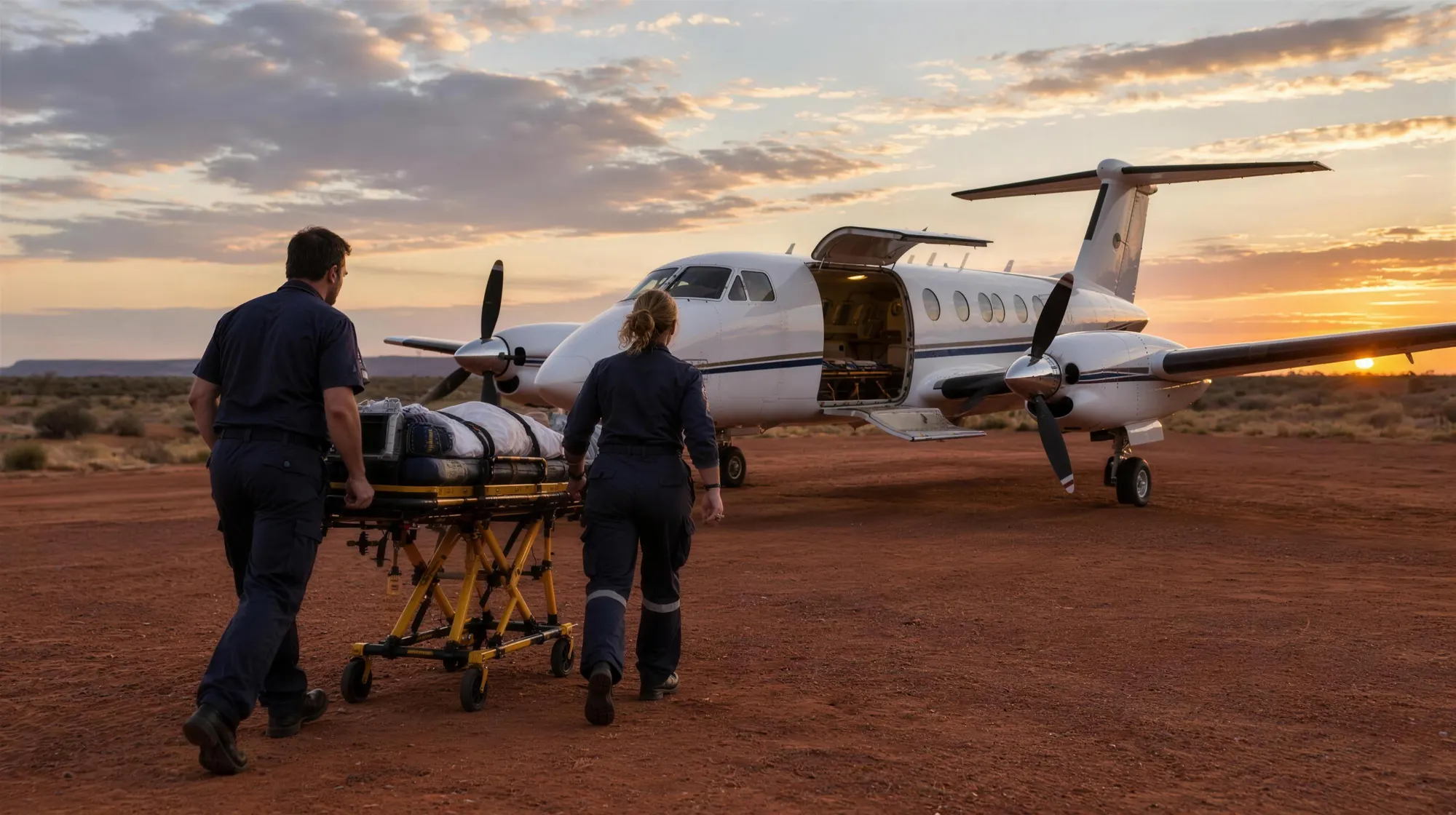
Trauma questions follow a similar structure to ED emergency questions, with additional emphasis on haemorrhage control, spinal protection and identifying life- or limb-threatening injuries.
The sandwich technique works well here too. Use it to summarise your immediate priorities, then expand your answer through the primary survey, focused history, secondary survey and ongoing care.
1. Opening: interpret the stem
Show that you recognise the severity of the presentation and the implications of your setting.
For a major trauma case, you might say:
“I am concerned this patient has sustained major trauma with potentially life-threatening injuries. In our rural setting, access to imaging and definitive treatment is limited, so I would begin immediate resuscitation, mobilise local help and contact retrieval early.”
Match your opening to the case. Not every trauma presentation involves multiple injuries.
2. Concerns and considerations
Briefly consider the circumstances surrounding the injury:
- Could this have resulted from assault, family violence or self-harm?
- Could alcohol or other substances be involved?
- Could a medical event, such as syncope or a seizure, have caused the trauma?
- Are there relevant factors such as anticoagulant use, pregnancy or significant comorbidities?
These considerations help guide your assessment, but should not delay resuscitation. Avoid attributing altered consciousness to intoxication without considering serious injury.
3. Injuries you are concerned about
State the important injuries suggested by the mechanism and clinical findings. These may include:
- Severe head injury or intracranial bleeding.
- Cervical spine or spinal cord injury.
- Life-threatening chest injuries, including tension pneumothorax or major haemothorax.
- Internal bleeding in the chest, abdomen or pelvis.
- Unstable pelvic fractures.
- Open fractures or injuries threatening limb circulation.
Tailor this list to the stem. A penetrating chest wound and a high-speed vehicle collision should prompt different priorities.
4. The sandwich: summarise your immediate management
Opening sentence — the bread
“I would use a structured trauma primary survey, controlling catastrophic haemorrhage first, then assessing airway with cervical spine protection, breathing, circulation, disability and exposure. I would treat life or limb threatening problems as I identify them.”
Specific treatment — the filling
Highlight the interventions most relevant to the case:
My priorities of management would include
- Ensure appropriate analgesia
- Controlling bleeding and replacing blood loss with blood products as available
- Injury specific treatment
- Any other specific management – if someone has a severe head injury or an open fracture you might briefly outline specific management for these issues here
Closing sentence — the bread
“I would call for local assistance and retrieval support early, communicate sensitively with the patient and family, and document findings, treatment and the response.”
Then transition with:
“I’ll now explain that approach in more detail.”
5. Prepare the location and team
Arrange care in the resuscitation area and mobilise the staff available in StAMPSville, including GP anaesthetist and additional nursing support.
Allocate clear roles for assessment, monitoring, procedures, medications and documentation. Brief the team on the mechanism of injury, immediate concerns and anticipated needs.
Use appropriate PPE and arrange an interpreter or Aboriginal Liaison Officer where relevant. Explain what is happening to the patient as you work, preserving privacy and dignity.
6. Primary survey: assess and treat
Catastrophic haemorrhage
I would control major external bleeding immediately using direct pressure, haemostatic dressings or a tourniquet for uncontrolled life-threatening limb bleeding. I would consider a pelvic binder for suspected bleeding from an unstable pelvic injury.
A — Airway with cervical spine protection
Assess airway patency, clear obstruction and determine whether advanced airway management is needed. Maintain appropriate spinal protection throughout.
B — Breathing
Assess chest movement, air entry, respiratory effort, respiratory rate and oxygen saturation. Provide oxygen and ventilatory support as required.
Identify and treat immediate chest threats. If I suspected a tension pneumothorax I would perform urgent decompression.
C — Circulation
Assess pulse, blood pressure and peripheral perfusion. Establish monitoring and two large-bore IV lines, with intraosseous access if needed. Obtain relevant bedside tests and blood samples.
Search for concealed bleeding and reassess the response to resuscitation.
D — Disability
Assess Glasgow Coma Scale, pupils, blood glucose and limb movement. Repeat neurological observations to identify deterioration.
E — Exposure and environment
Expose sufficiently to identify injuries, while preserving dignity and preventing hypothermia. Check temperature and use warming measures as required.
Repeat the primary survey after interventions and whenever the patient deteriorates. This is important to remember in follow up questions where you get more information.
7. Take an AMPLE history
Gather a focused history from the patient, ambulance team or accompanying person while resuscitation continues:
- A — Allergies
- M — Medications, particularly anticoagulants.
- P — Past medical history, including pregnancy where relevant.
- L — Last oral intake
- E — Events and environment, including mechanism, timing and treatment already provided.
8. Choose appropriate investigations and imaging
Select investigations according to the mechanism, findings, stability and available resources. These may include portable chest or pelvic imaging and eFAST where equipment and trained staff are available.
Explain whether further imaging requires transfer to the regional centre.
9. Secondary survey
Once immediate life threats have been addressed and the patient is sufficiently stable, perform a systematic head-to-toe examination. Include limb neurovascular assessment and examination of posterior surfaces when safe.
10. Ongoing treatment and retrieval
Continue analgesia, monitoring and injury-specific treatment. Reassess wounds, splints and the need for antibiotics or tetanus prophylaxis.
Prepare for retrieval in consultation with the receiving team. Consider transport time, escort skills, equipment, blood product availability and potential deterioration during transfer. Provide a structured handover and keep the patient and family informed.
The aim is to demonstrate clear priorities: recognise serious injury, treat immediate threats, reassess continually and arrange definitive care appropriate to your rural setting.
A study guide about exam technique, not clinical advice. Always follow current guidelines and local protocols. Independent practice platform. Not affiliated with, or endorsed by, any college or examining body. Exam names are used only to describe what you can practise for.